

Rest Days and Active Recovery: The Secret Ingredient to Real Progress

Workout Overview
- Duration
- 15-25 mins
- Difficulty
- Beginner
- Equipment
- No Equipment
- Target Muscles
- Full Body
In a fitness culture that worships hustle, rest can feel almost rebellious. We are told to push harder, never skip a day, and grind through fatigue like it is a badge of honour. But here is the part nobody puts on a motivational poster: your body does not get fitter during your workouts. It gets fitter while it recovers from them. Rest is not the opposite of training — it is the moment your training actually pays off. Understanding rest days and active recovery is the missing piece that turns effort into real, lasting results.

At SanookFit, we believe fitness should feel like play and last a lifetime, and that simply is not possible if you are constantly exhausted and on the edge of burnout. So let’s give recovery the attention it deserves, explore what active recovery really means, and learn how to rest in a way that makes you stronger.
Quick Answer: Why Are Rest Days Important?
Rest days are important because your body repairs and strengthens muscle tissue during recovery, not during exercise. Adequate rest reduces injury risk, prevents burnout, restores energy, and allows the adaptations from training to actually take hold. Without recovery, you keep breaking your body down without giving it the chance to build back stronger.
What Actually Happens When You Rest
When you exercise, you create tiny amounts of stress and microscopic damage in your muscles. That sounds alarming, but it is exactly the point — that stress is the signal that tells your body to adapt. The repair and reinforcement that follow are what make you stronger, fitter, and more resilient. Crucially, all of that rebuilding happens during recovery, fuelled by sleep, nutrition, and time.
If you never rest, you keep adding stress without ever allowing the rebuild to complete. Over time this leads to a plateau, persistent fatigue, poor sleep, low mood, and a much higher risk of injury. In other words, more is not always better. Smarter is better, and smart training always includes rest.
Rest Days vs. Active Recovery: What Is the Difference?
A full rest day means little to no structured exercise — you let your body completely off the hook. This is valuable, especially when you are very tired or sore. Active recovery, on the other hand, means gentle, low-intensity movement that promotes blood flow and helps your body recover without adding meaningful stress.
Both have their place. Some days you genuinely need to do nothing. Other days, a little gentle movement actually helps you feel better and recover faster than complete stillness. The trick is learning to read your body and choosing the right kind of rest for the moment.
Great Active Recovery Ideas (No Equipment Needed)
Active recovery should feel easy and pleasant, never like a workout in disguise. Here are some gentle options that fit perfectly into a home-based, equipment-free lifestyle.
- A relaxed walk: Perhaps the best active recovery there is. Easy, restorative, and great for your mind too.
- Gentle mobility work: Slow, controlled movements to ease stiffness and keep your joints happy.
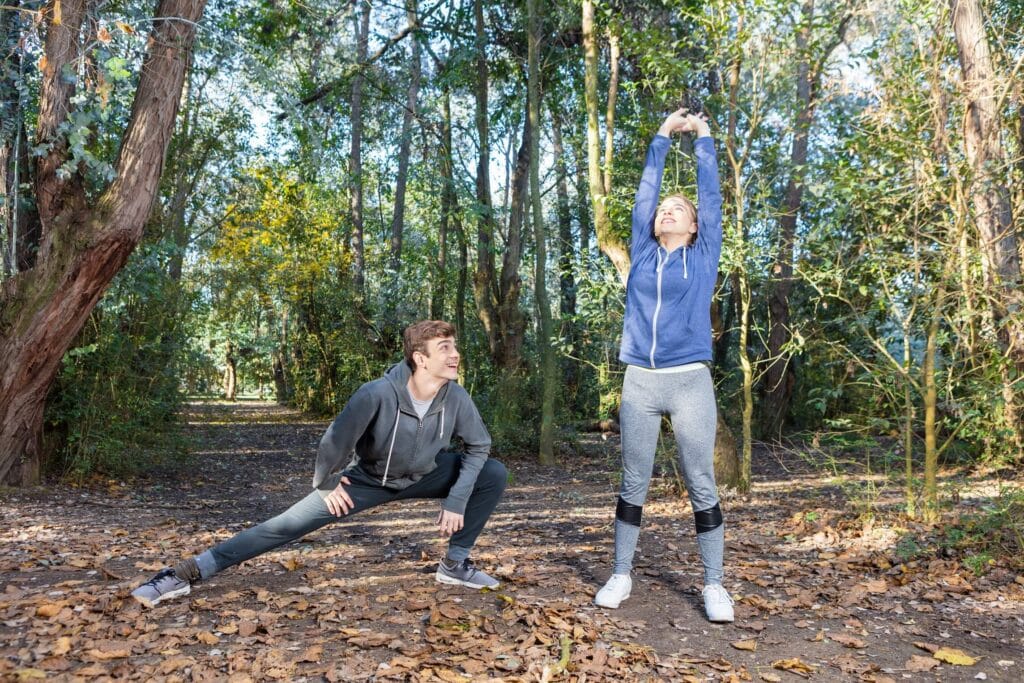
- Light stretching: A calm stretch session helps you unwind and reconnect with your body.
- Easy yoga flows: Gentle, flowing movement that soothes both body and mind.
- Playful movement: Dancing softly to music, a casual bike ride, or playing with your kids all count.
Notice the theme: these are enjoyable, not punishing. That is the SanookFit way. Recovery is a chance to move for the sheer pleasure of it, with no pressure and no performance to chase.
Sleep: The Most Powerful Recovery Tool of All
If recovery had a king, it would be sleep. No supplement, gadget, or technique comes close to the restorative power of a good night’s rest. During deep sleep, your body releases growth hormone, repairs tissue, consolidates the benefits of your training, and resets your energy for the day ahead. Skimp on sleep and you undermine everything else you are doing.
The CDC recommends that most adults get at least seven hours of sleep per night, and for active people the lower end of that range is rarely enough. Treat sleep as a core part of your training plan, not an afterthought. A consistent bedtime, a dark and cool room, and a wind-down routine without screens will do more for your fitness than almost any extra workout.
How to Tell You Need More Recovery
Your body is constantly giving you feedback; the skill is learning to listen. Some common signs that you are under-recovered include persistent tiredness that sleep does not fix, workouts that suddenly feel much harder than usual, disrupted sleep, irritability or low mood, nagging aches that linger, and a general loss of enthusiasm for training.
If several of these show up together, it is your cue to back off and prioritise rest. Far from being a setback, taking a recovery day at the right moment often unlocks the progress that grinding through fatigue was blocking. The NHS also stresses the importance of balancing activity with adequate rest to support long-term health and avoid overdoing it.
Building Rest Days and Active Recovery Into Your Week
You do not need a complicated system. For most people, training hard on some days and weaving in gentle movement or full rest on others is plenty. A simple, sustainable week might include a few focused workout days, a couple of active recovery days with walking or mobility, and one or two complete rest days. The exact split depends on your fitness level, your life, and how you feel.
The World Health Organization recommends regular activity across the week alongside adequate recovery, which is exactly the kind of balance that keeps fitness sustainable for the long haul. Remember, the goal is not to exhaust yourself every single day. It is to build a rhythm you can keep for years.
Recovery Nutrition and Hydration
What you eat and drink plays a quiet but important role in recovery. Protein provides the building blocks your muscles use to repair, while carbohydrates help replenish the energy you used during training. You do not need fancy supplements — a balanced plate of whole foods does the job beautifully. Staying well hydrated also supports nearly every recovery process in your body, so keep water within easy reach throughout the day.
Think of recovery nutrition as topping up the tank rather than chasing perfection. Eat well most of the time, drink enough water, and your body will handle the rest.
Letting Go of Rest-Day Guilt
Many people feel guilty for resting, as though a day off means they are slacking or losing progress. It is worth saying clearly: this is backwards. Rest is part of the work. The athletes and lifelong movers who stay healthy and keep improving are the ones who respect recovery, not the ones who ignore it.
So when you take a rest day, take it fully and without guilt. You are not falling behind — you are giving your body the conditions it needs to come back stronger. This gentle, sustainable mindset is at the very heart of what SanookFit stands for: consistency over perfection, and movement as a joyful, lifelong companion rather than a source of stress.
Bringing It All Together
Recovery is not the absence of progress; it is the engine of it. Honour your rest days, enjoy gentle active recovery, protect your sleep, eat and hydrate well, and listen to the signals your body sends. Do these things and your workouts will feel better, your results will come more steadily, and your love of movement will last far longer.
For gentle active-recovery sessions you can follow at home, the SanookFit YouTube channel has plenty of low-intensity routines, and our ongoing 30 Day SanookFit Challenge balances effort with recovery throughout. You can also pair this guide with our home workouts without equipment article to build a complete, well-rounded routine.
Frequently Asked Questions
How many rest days should I take each week?
For most people, one to three rest or active-recovery days per week works well, depending on training intensity and how you feel. Beginners often benefit from more rest as their bodies adapt. Listen to your body rather than following a rigid rule.
Is it bad to work out when I am sore?
Mild soreness is usually fine, and gentle active recovery can even help. However, if you are very sore or in pain, it is wiser to rest or keep movement light. Sharp or persistent pain is a sign to stop and recover, not push through.
Does active recovery really help, or should I just rest completely?
Both are useful. Gentle active recovery promotes blood flow and can reduce stiffness, helping you feel better. Complete rest is best when you are exhausted or unwell. Use how you feel as your guide and alternate between the two as needed.
Will taking rest days make me lose progress?
No. Properly timed rest days actually support progress by allowing your body to adapt and rebuild. You will not lose fitness from sensible rest, and you are far more likely to lose progress from overtraining and injury than from resting.
How important is sleep for fitness, really?
Extremely important. Sleep is when most of your recovery and adaptation happens. Consistently poor sleep undermines strength, energy, mood, and even appetite regulation. Prioritising good sleep is one of the most effective things you can do for your fitness.
Want gentle, fun recovery sessions you can do anywhere? Follow SanookFit on YouTube, Instagram, TikTok, and Facebook. Train smart, rest well, and enjoy the journey.
Related Workouts
How to Get Stronger With Bodyweight Training (No Weights Needed)
One of the most common myths in fitness is that you need a rack of dumbbells,…
How to Build a Fitness Habit That Finally Sticks
Be honest: how many times have you started a fitness plan with total enthusiasm, only to…

Fat Loss at Home Without the Burnout: A Sustainable Beginner’s Guide
If the words “fat loss” make you picture punishing workouts, tiny meals, and a permanent state…
Related Articles
How to Get Stronger With Bodyweight Training (No Weights Needed)
One of the most common myths in fitness is that you need a rack of dumbbells,…
How to Build a Fitness Habit That Finally Sticks
Be honest: how many times have you started a fitness plan with total enthusiasm, only to…
Fat Loss at Home Without the Burnout: A Sustainable Beginner’s Guide
If the words “fat loss” make you picture punishing workouts, tiny meals, and a permanent state…
1 thought on “Rest Days and Active Recovery: The Secret Ingredient to Real Progress”
Leave a Comment
You must be logged in to post a comment.




Pingback: Fat Loss at Home Without the Burnout: A Beginner's Guide