How to Build a Fitness Habit That Finally Sticks
Workout Overview
- Duration
- 15-25 mins
- Difficulty
- Beginner
- Equipment
- No Equipment
- Target Muscles
- Full Body
Be honest: how many times have you started a fitness plan with total enthusiasm, only to watch it fade away a few weeks later? If the answer is “more than I can count,” you are in excellent company. Almost everyone has been there, and it has nothing to do with being lazy or lacking discipline. The truth is that most fitness plans are built to fail because they rely on motivation, and motivation is the most unreliable training partner there is.
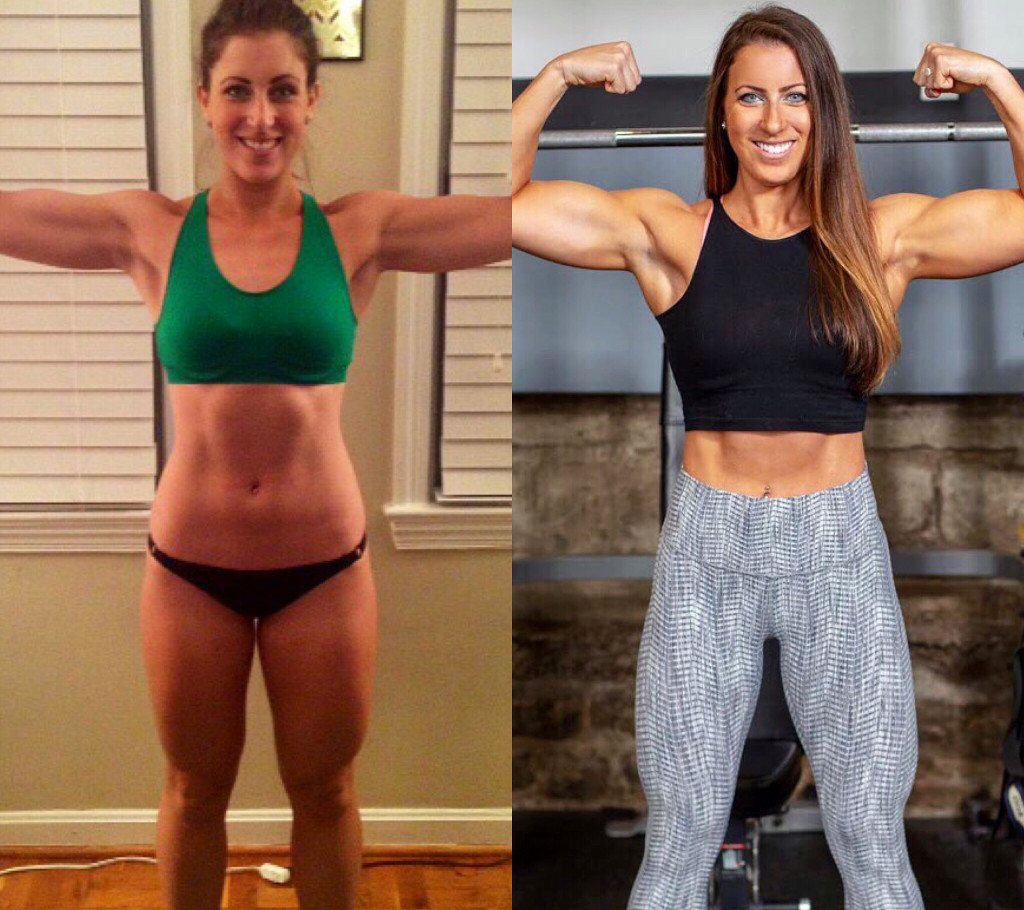
At SanookFit, we care less about dramatic before-and-after photos and far more about the quiet, repeatable habits that keep people moving for life. This guide is all about building a fitness habit that actually sticks — one that survives busy weeks, low-energy days, and the chaos of real life.
Quick Answer: How Do You Make Exercise a Habit?
You make exercise a habit by starting small, attaching it to an existing routine, removing as much friction as possible, and focusing on consistency rather than intensity. Habits form through repetition, not willpower, so the goal is to make the behaviour so easy and so regular that it becomes automatic. Small wins repeated daily beat big efforts done occasionally.
Why Motivation Always Lets You Down
Motivation feels wonderful when it shows up. The problem is that it comes and goes like the weather, and you cannot build anything lasting on something so unpredictable. On the days you feel inspired, you do not need motivation. On the days you feel tired, stressed, or flat, motivation is nowhere to be found — and those are precisely the days that determine whether a habit survives.
The people who stay fit for decades are not more motivated than you. They have simply built systems that carry them through the low-motivation days. Once exercise becomes a habit, it no longer requires a pep talk. It just happens, the way brushing your teeth happens, whether you feel like it or not.
Start Ridiculously Small
The single biggest mistake people make is starting too big. Fired up with enthusiasm, they commit to working out for an hour every day. It feels great for a week, then life happens, they miss a few days, feel like a failure, and quit entirely. Sound familiar?
The fix is almost laughably simple: start so small it feels too easy. Commit to five minutes of movement a day. Just five. On many days you will do more once you have started, but the commitment stays tiny. Why does this work so well? Because the hardest part of any workout is starting, and a five-minute promise is almost impossible to talk yourself out of. You are building the identity of someone who shows up, and that identity is worth far more than any single long session.
Use Habit Stacking to Anchor Your Routine
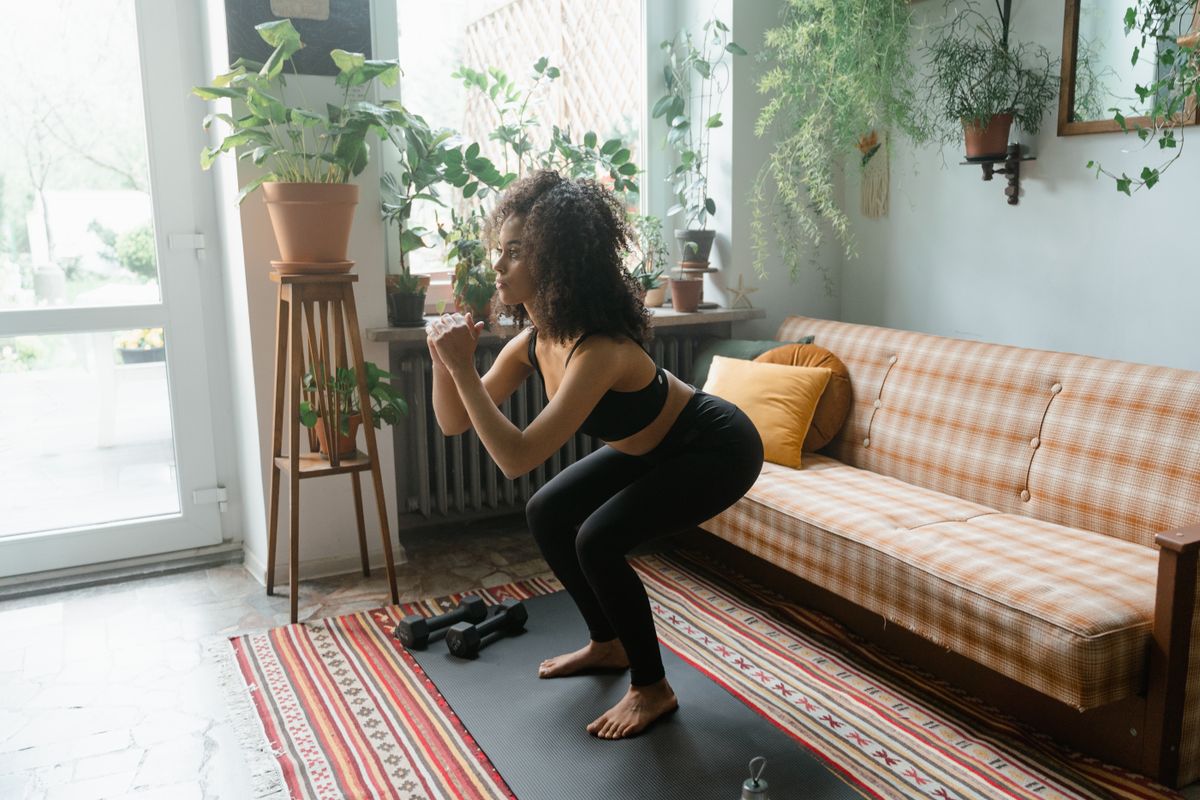
One of the most effective tools in behaviour science is habit stacking — attaching a new habit to something you already do automatically. Instead of hoping you will find time to exercise, you tie it to an existing anchor. For example: after I pour my morning coffee, I do five minutes of movement. After I brush my teeth at night, I do ten squats. After I close my laptop at the end of the workday, I roll out my mat.
The existing habit acts as a reliable trigger, so you no longer have to remember or rely on willpower. Over time, the new behaviour becomes glued to the old one, and the whole thing runs on autopilot.
Remove the Friction
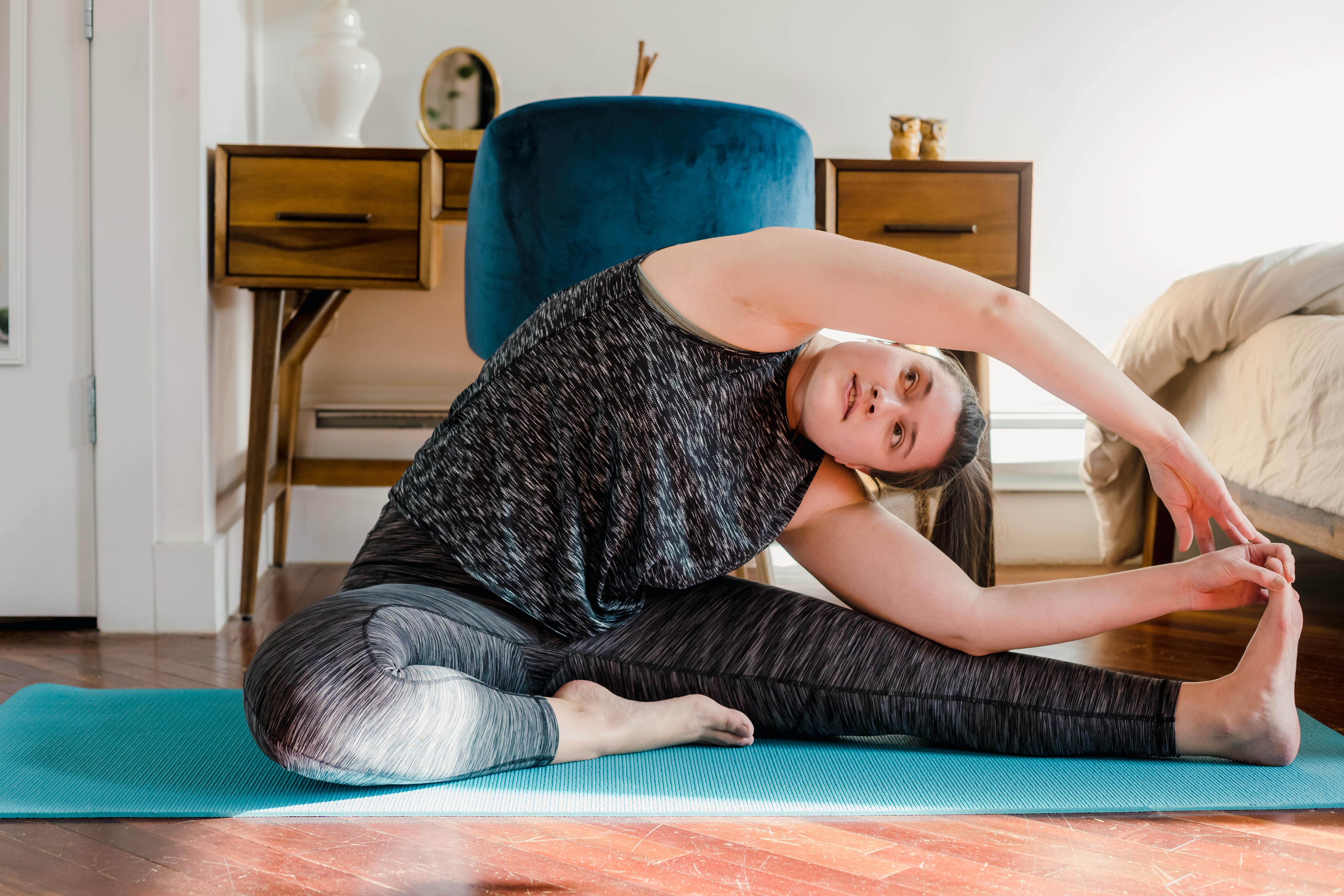
Every small obstacle between you and your workout is a reason your brain can use to skip it. The art of habit-building is removing as many of these obstacles as possible. This is exactly why home workouts are such a powerful tool for consistency — there is no commute, no packing a bag, no waiting for equipment. You simply roll out a mat and begin.
Make it even easier by laying out your workout clothes the night before, keeping your mat visible rather than tucked away, and choosing a follow-along video in advance so you do not waste energy deciding what to do. The more automatic you make the start, the more likely you are to follow through. Research summarised by Harvard Health highlights how reshaping your environment and cues is central to making new habits stick.
Make It Genuinely Enjoyable
Here is a truth the fitness industry often ignores: you will not stick with something you hate. If you dread every workout, no amount of discipline will keep you going forever. This is the heart of the SanookFit philosophy — fitness should feel like play. When movement is fun, consistency stops being a battle.
So choose forms of movement you actually enjoy. Dance around your living room, follow an energetic instructor who makes you smile, turn a workout into a game, or move to music you love. There is no rule that exercise has to be grim to count. In fact, the more you enjoy it, the more your brain associates movement with reward, and the easier the habit becomes.
The Magic of Never Missing Twice
You will miss days. Life happens — you get sick, work explodes, the kids need you, you are simply exhausted. This is completely normal and not a failure. The thing that separates people who keep their habits from those who lose them is a single simple rule: never miss twice.
Missing one day is an accident. Missing two days is the start of a new pattern. So if you skip a workout, you do not spiral into guilt or declare the whole thing ruined. You simply make sure you show up the next day, even if only for five minutes. This one rule protects your habit through all the messiness of real life, and it embodies our belief in consistency over perfection.
Track Your Wins, Not Your Failures
There is something deeply satisfying about marking a calendar each day you move. That growing chain of marks becomes its own motivation — you start to feel a gentle reluctance to break the streak. The trick is to track in a way that celebrates showing up rather than punishing yourself for off days.
Keep it simple and kind. A tick on a calendar, a note in your phone, or a habit app all work. Focus on the wins, however small, and let the momentum build. Over weeks and months, those small daily ticks add up to a transformed relationship with movement.

What the Research Says About Forming Habits
You may have heard that habits take 21 days to form. In reality, research suggests it varies a great deal from person to person and behaviour to behaviour, often taking a couple of months of consistent repetition before something feels truly automatic. The practical takeaway is to be patient and keep showing up, because the habit is forming even when it still feels effortful.
It also helps to remember why the effort is worth it. The World Health Organization notes that regular physical activity reduces the risk of numerous chronic diseases and supports mental wellbeing, while the CDC emphasises that even modest amounts of regular movement deliver meaningful benefits. The NHS echoes this, encouraging people to build activity into daily life in whatever way is sustainable for them.
Be Kind to Yourself Along the Way
Perhaps the most underrated habit-building skill is self-compassion. Harsh self-talk and all-or-nothing thinking are the enemies of consistency. When you treat a single missed workout as proof that you have failed, you make it far more likely that you will give up. When you treat it as a normal blip and gently get back on track, your habit survives.
Speak to yourself the way you would speak to a good friend. Celebrate the days you show up, forgive the days you do not, and keep the long game in view. Fitness is not a thirty-day project; it is a lifelong relationship with your own body, and kindness makes that relationship far easier to sustain.
Put It All Together
Building a fitness habit that sticks comes down to a handful of gentle principles: start absurdly small, anchor your habit to an existing routine, remove friction, make it fun, never miss twice, track your wins, and treat yourself kindly. None of this is dramatic, and that is exactly the point. Lasting change is quiet and steady, not loud and exhausting.
If you want a fun, low-pressure way to get started, the 30 Day SanookFit Challenge on our YouTube channel gives you a short daily session to show up for, which is perfect for habit-building. You can also explore our home workouts without equipment guide to design a routine that removes friction and fits your life.
Frequently Asked Questions
How long does it take to build a fitness habit?
It varies, but for many people a behaviour starts feeling automatic after roughly two months of consistent repetition. The exact timeline matters less than simply continuing to show up, because the habit strengthens with every repetition.
What if I keep missing days?
Apply the never-miss-twice rule and make your daily commitment smaller. If you are frequently missing, your goal is probably too big. Shrink it until showing up feels almost effortless, then let it grow naturally over time.
Is it better to work out in the morning or evening?
The best time is the one you will actually stick to. Some people thrive on morning movement, others prefer evenings. Experiment, then anchor your workout to a consistent point in your day so it becomes a reliable routine.
How small should I really start?
Smaller than feels impressive. Five minutes, or even a single set of an exercise, is a perfect starting point. The goal early on is to build the identity of someone who shows up, not to exhaust yourself. Volume can grow once the habit is solid.
Do I need a gym to build a fitness habit?
Not at all. Home workouts remove much of the friction that derails habits, which makes them ideal for consistency. With no commute and no equipment required, the barrier to showing up is as low as it gets.
Want a fun daily nudge to keep your habit alive? Follow SanookFit on YouTube, Instagram, TikTok, and Facebook. Show up, have fun, and let consistency do the rest.
Related Workouts
How to Get Stronger With Bodyweight Training (No Weights Needed)
One of the most common myths in fitness is that you need a rack of dumbbells,…

Fat Loss at Home Without the Burnout: A Sustainable Beginner’s Guide
If the words “fat loss” make you picture punishing workouts, tiny meals, and a permanent state…

Rest Days and Active Recovery: The Secret Ingredient to Real Progress
Rest days and active recovery are where real fitness progress happens. Learn how smart rest, gentle…
Related Articles
How to Get Stronger With Bodyweight Training (No Weights Needed)
One of the most common myths in fitness is that you need a rack of dumbbells,…
Fat Loss at Home Without the Burnout: A Sustainable Beginner’s Guide
If the words “fat loss” make you picture punishing workouts, tiny meals, and a permanent state…
Rest Days and Active Recovery: The Secret Ingredient to Real Progress
Rest days and active recovery are where real fitness progress happens. Learn how smart rest, gentle…