How to Get Stronger With Bodyweight Training (No Weights Needed)
Workout Overview
- Duration
- 15-25 mins
- Difficulty
- Beginner
- Equipment
- No Equipment
- Target Muscles
- Full Body
One of the most common myths in fitness is that you need a rack of dumbbells, a barbell, and a gym membership to build real strength. It is simply not true. Your own bodyweight is a complete, adaptable, and surprisingly demanding piece of training equipment — and learning to use it well is one of the most empowering things you can do for your fitness. At SanookFit we are big believers in this, because it keeps fitness accessible, playful, and possible for everyone, everywhere.
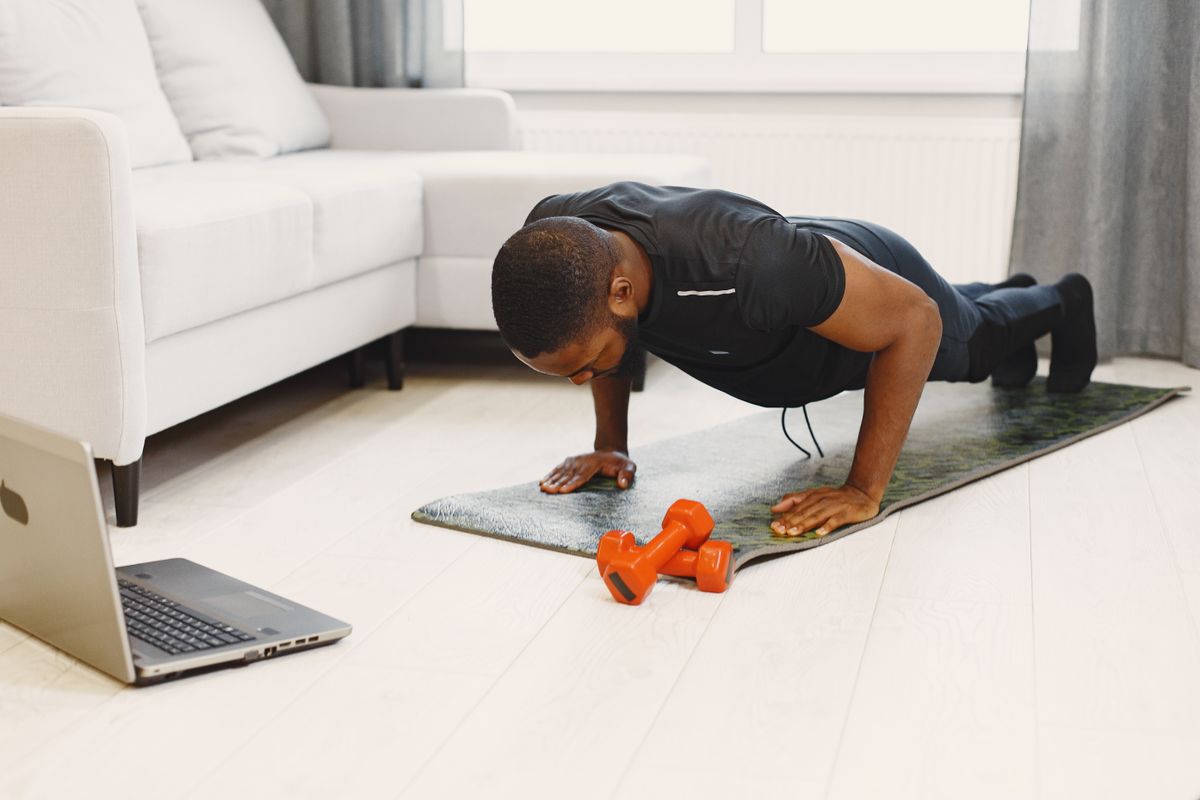
In this guide, we will unpack how strength actually develops, the principle that makes bodyweight training keep working for years, and exactly how to progress from beginner to genuinely strong without ever touching a weight.
Quick Answer: Can You Really Build Strength Without Weights?
Yes. Strength is built by progressively challenging your muscles, and you can do this with bodyweight exercises by changing leverage, range of motion, tempo, reps, and exercise difficulty. As long as your muscles keep facing a meaningful challenge, they keep adapting and getting stronger — no barbell required.
How Strength Actually Develops
When you challenge a muscle beyond what it is used to, your body responds by adapting so it can handle that demand more easily next time. This is true whether the resistance comes from a dumbbell or from your own body. Strength is also partly neurological, especially early on — your nervous system gets better at recruiting muscle fibres efficiently, which is why beginners often see rapid early gains before their muscles visibly change much.
The key ingredient is what trainers call progressive overload: gradually increasing the challenge over time. In a gym, people do this by adding weight to the bar. With bodyweight training, we have several other levers to pull, and once you understand them, you will never run out of ways to get stronger.
The Secret to Endless Progress: Progressive Overload Without Weights
Here is where bodyweight training becomes genuinely exciting. You can keep challenging your muscles in a whole toolbox of ways, even though the “weight” never changes.
- Add reps and sets: The simplest method. If you can do 10 push-ups today, work toward 12, then 15.
- Slow the tempo: Lowering yourself over four seconds instead of one makes any exercise dramatically harder and builds control.
- Increase range of motion: Deeper squats and push-ups with a fuller range demand more from your muscles.
- Change leverage: Elevating your feet during push-ups, or moving toward single-limb versions, shifts more load onto the working muscles.
- Progress to harder variations: Move from knee push-ups to full push-ups to decline and archer push-ups over time.
- Reduce rest: Shorter rest periods raise the overall challenge of a session.
With these levers, a humble push-up can take you from your very first rep all the way to advanced movements that most gym-goers cannot do. That is the beauty of it — the difficulty scales as far as you want to take it.
The Core Bodyweight Training Movements to Master
You do not need dozens of exercises. A small number of fundamental movement patterns, trained well and progressed over time, will build impressive full-body strength.
Push: Push-Up Variations
The push-up trains your chest, shoulders, triceps, and core all at once. Start with whatever version lets you keep good form, whether that is against a wall, on your knees, or full. Over time, slow the tempo, elevate your feet, and explore harder variations. The SanookFit YouTube channel even has a dedicated push-up day in the 30 Day Challenge that walks through these progressions.
Squat: Lower-Body Power
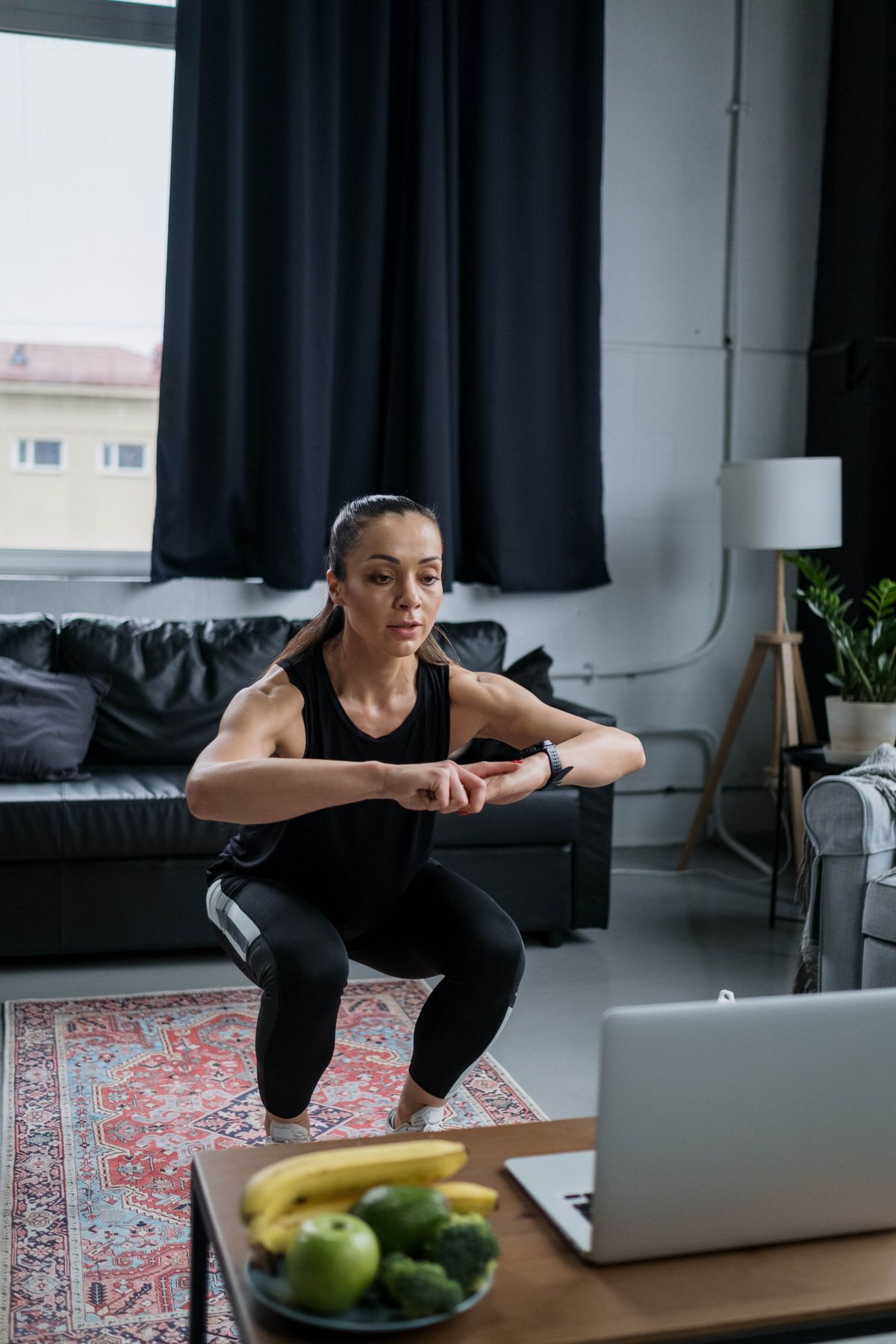
Bodyweight squats build your quads, glutes, and hamstrings while teaching a movement you use every single day. Progress by squatting deeper, slowing the descent, pausing at the bottom, and eventually working toward split squats and the challenging pistol squat.
Hinge: Glute Bridges and Beyond
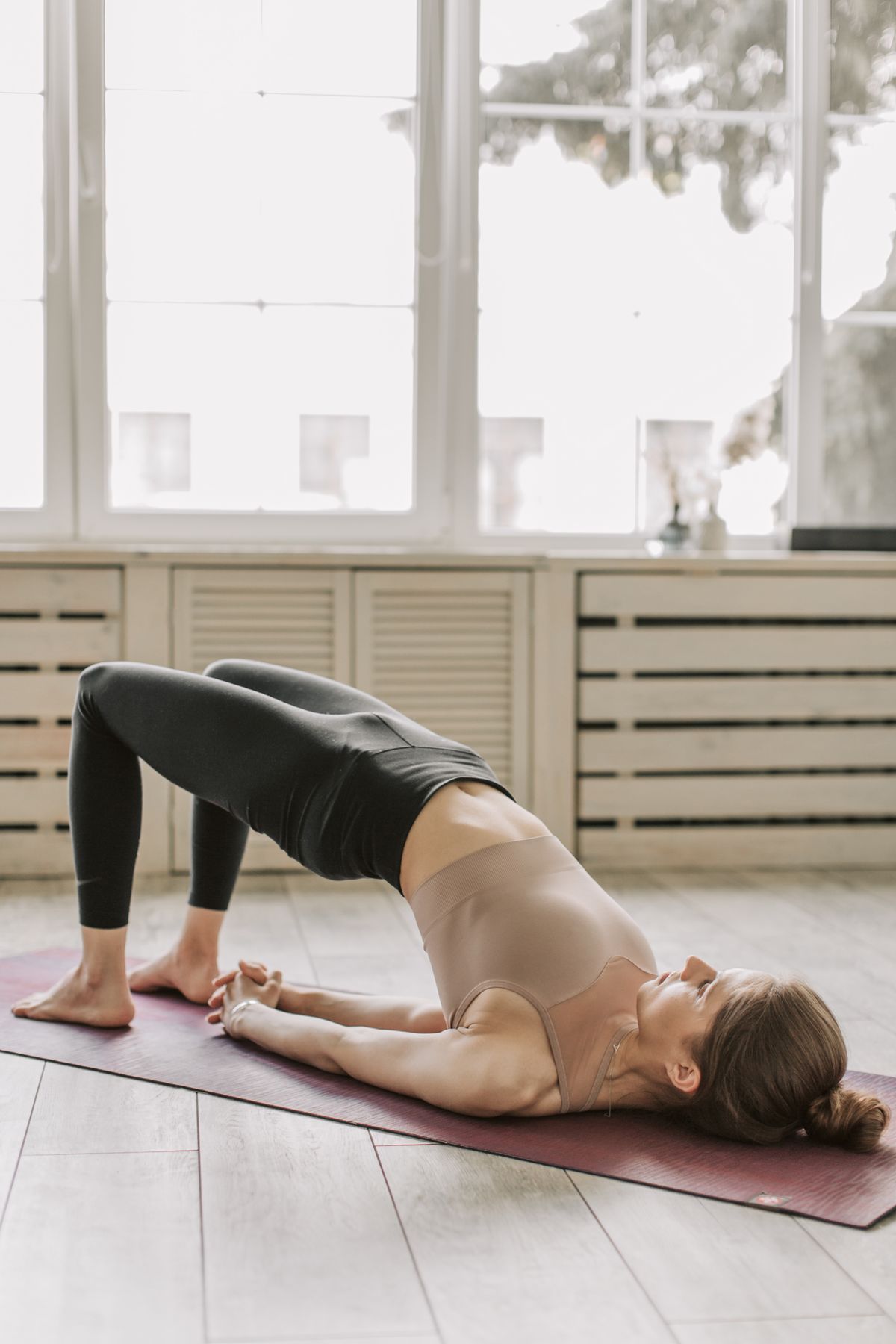
The hip hinge pattern strengthens your glutes and the back of your body, which is crucial for posture and protecting your lower back. Glute bridges are a fantastic starting point, progressing to single-leg versions as you get stronger.
Pull: The One Challenge at Home
Pulling movements are the hardest to train without any equipment. If you have a sturdy table, you can do inverted rows underneath it, lying on the floor and pulling your chest toward the edge. Towel rows around a strong door anchor are another option. Even without these, exercises like prone “superman” raises help strengthen the back muscles.
Core: Planks and Anti-Movement
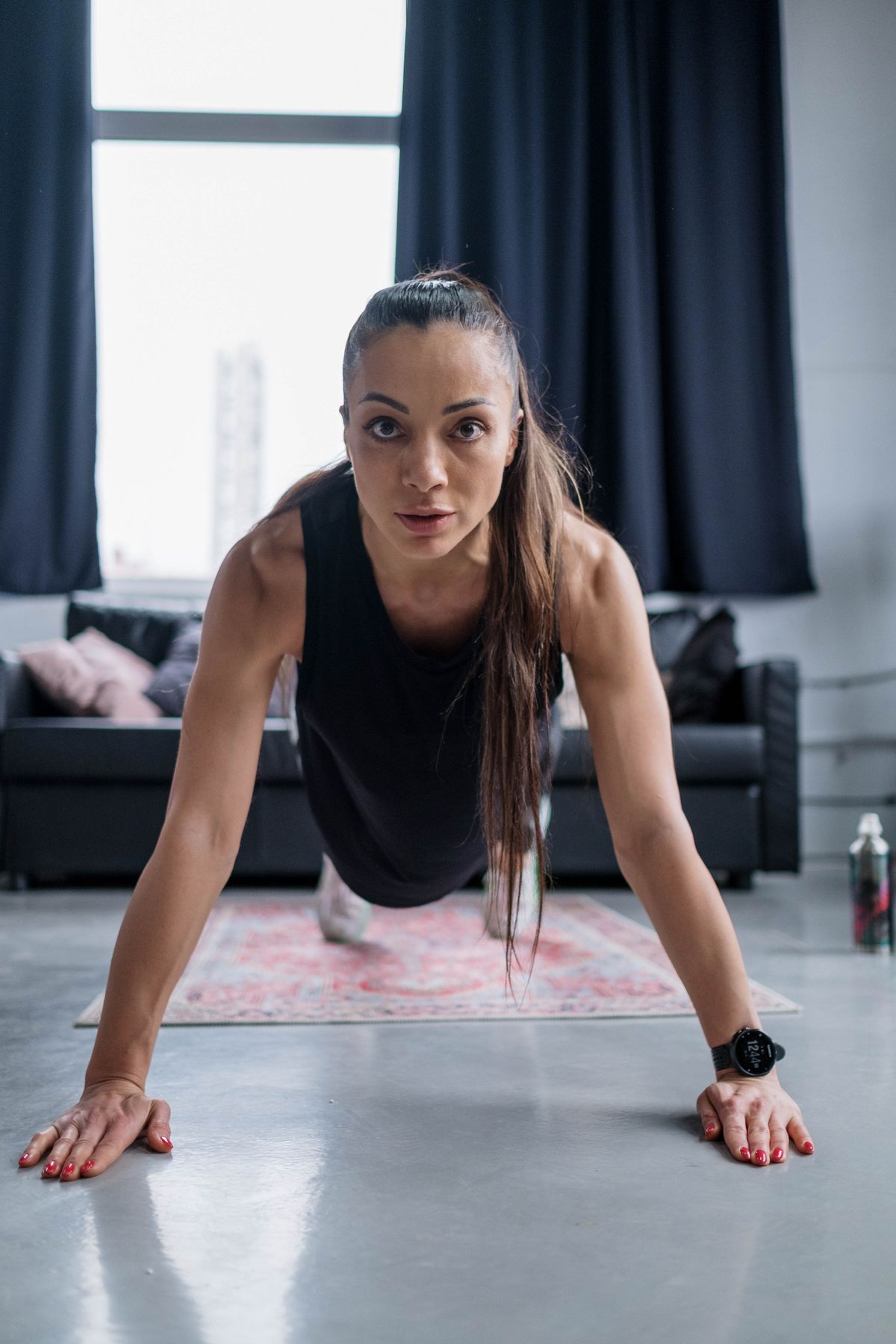
A strong core is about stability, not just crunches. Planks, side planks, dead bugs, and hollow holds teach your midsection to resist movement, which is exactly what it does to protect your spine in real life.
A Simple Beginner Bodyweight Training Routine
Here is a balanced full-body session you can repeat two or three times a week. Rest a day between sessions to let your muscles recover and grow.
- Squats: 3 sets of 10 to 15 reps
- Push-ups (any variation): 3 sets of as many good reps as you can manage
- Glute bridges: 3 sets of 12 to 15 reps
- Inverted rows or superman raises: 3 sets of 8 to 12 reps
- Plank: 3 holds of 20 to 40 seconds
Focus on quality over quantity. Each rep should be controlled, and you should finish a set feeling challenged but not completely wiped out. Keep a simple note of what you did so you can aim to do slightly more next time. That small act of tracking is one of the most powerful tools for steady progress.
Why Rest and Recovery Build the Strength
Here is something many beginners get wrong: you do not get stronger during your workout. You get stronger while you recover from it. Training provides the stimulus, but the actual adaptation happens during rest, when your body repairs and reinforces your muscles. The American College of Sports Medicine recommends allowing each muscle group at least a day of recovery between strength sessions for exactly this reason.
This means more is not always better. Training the same muscles hard every single day can actually slow your progress and raise your risk of injury. Sleep, sensible nutrition with enough protein, and genuine rest days are not optional extras — they are where the magic happens. The CDC also recommends muscle-strengthening activities on at least two days a week, which fits this approach perfectly.
Common Mistakes That Stall Strength Gains
The first mistake is rushing through reps with sloppy form. Momentum does the work instead of your muscles, which limits results and increases injury risk. Slow down and own each rep. The second mistake is never progressing — doing the same easy workout forever. Your body adapts and then has no reason to change, so you must keep nudging the challenge upward.
The third mistake is impatience. Strength is built over months and years, not days. Trust the process, celebrate small wins, and remember the SanookFit motto: consistency over perfection. The person who trains moderately but never quits will always overtake the person who goes all-out for two weeks and then disappears. According to the World Health Organization, regular muscle-strengthening activity also brings significant long-term health benefits beyond just looking and feeling stronger.
Make It Fun and It Will Last
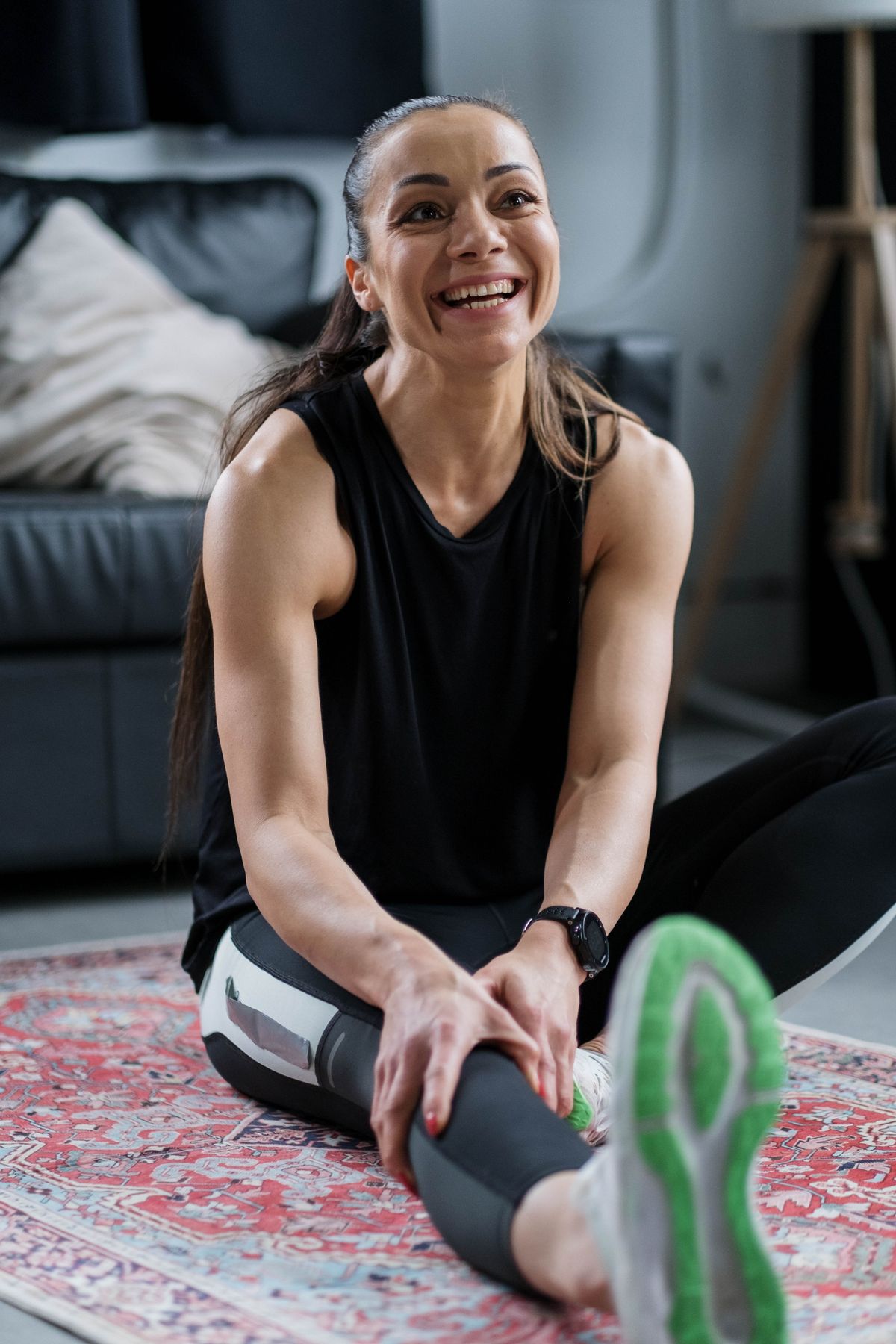
Strength training does not have to feel like a grind. Turn it into a game by chasing small personal records, following along with energetic videos, or training with a friend. When you genuinely enjoy the process, consistency stops being a battle of willpower and becomes something you look forward to. That is the whole philosophy behind SanookFit: fitness should feel like play.
If you want a ready-made structure, the ongoing 30 Day SanookFit Challenge on our YouTube channel guides you through progressive bodyweight sessions day by day. You can also pair this strength guide with our home workouts without equipment article for a complete training picture.
Bodyweight Training: Frequently Asked Questions
How long until I notice strength gains?
Many beginners feel stronger and more capable within two to four weeks, thanks largely to neurological improvements. Visible muscle changes take longer, usually a couple of months of consistent training, but the strength itself builds quickly at first.
Can bodyweight training build noticeable muscle?
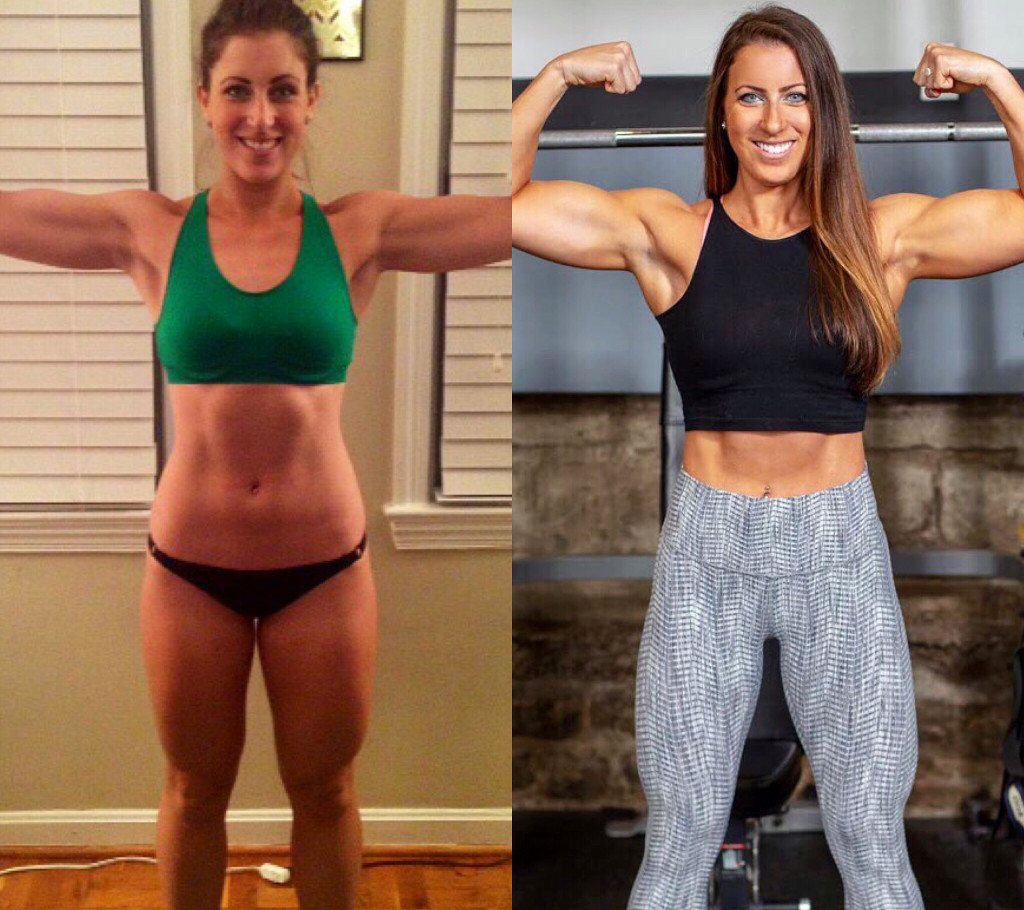
Yes, especially for beginners and intermediates. By progressively making exercises harder and training with enough effort, bodyweight work can build a strong, defined physique. Advanced athletes may eventually add equipment, but you can go a very long way with bodyweight alone.
How many days a week should I train for strength?
Two to four sessions a week works well for most people, with rest days in between. This gives enough stimulus to grow while allowing the recovery that actually builds the strength.
What if I cannot do a single push-up yet?
That is completely fine and very common. Start with wall push-ups or incline push-ups against a sturdy surface, then progress to knee push-ups and eventually full ones. Everyone starts somewhere, and the progressions are there to meet you exactly where you are.
Do I need to feel sore to know it is working?
No. Soreness is not a reliable measure of a good workout. Steady progress in reps, control, and harder variations is a far better sign that your training is working. Some soreness is normal, especially when starting out, but it is not the goal.
Ready to get stronger the fun way? Follow SanookFit on YouTube, Instagram, TikTok, and Facebook for follow-along bodyweight strength sessions you can do anywhere.
Related Workouts
How to Build a Fitness Habit That Finally Sticks
Be honest: how many times have you started a fitness plan with total enthusiasm, only to…

Fat Loss at Home Without the Burnout: A Sustainable Beginner’s Guide
If the words “fat loss” make you picture punishing workouts, tiny meals, and a permanent state…

Rest Days and Active Recovery: The Secret Ingredient to Real Progress
Rest days and active recovery are where real fitness progress happens. Learn how smart rest, gentle…
Related Articles
How to Build a Fitness Habit That Finally Sticks
Be honest: how many times have you started a fitness plan with total enthusiasm, only to…
Fat Loss at Home Without the Burnout: A Sustainable Beginner’s Guide
If the words “fat loss” make you picture punishing workouts, tiny meals, and a permanent state…
Rest Days and Active Recovery: The Secret Ingredient to Real Progress
Rest days and active recovery are where real fitness progress happens. Learn how smart rest, gentle…