
Fat Loss at Home Without the Burnout: A Sustainable Beginner’s Guide

Workout Overview
- Duration
- 20 mins
- Difficulty
- Beginner
- Equipment
- No Equipment
- Target Muscles
- Full Body, Core, Legs
- Calories
- 180-220 kcal
If the words “fat loss” make you picture punishing workouts, tiny meals, and a permanent state of hunger, take a deep breath. None of that is necessary, and honestly, none of it works for very long anyway. At SanookFit we believe fitness should feel like play, and that includes the way you approach changing your body. This guide to fat loss at home is about losing fat in a way that is gentle, realistic, and genuinely sustainable — all from the comfort of your own home, with no equipment required.
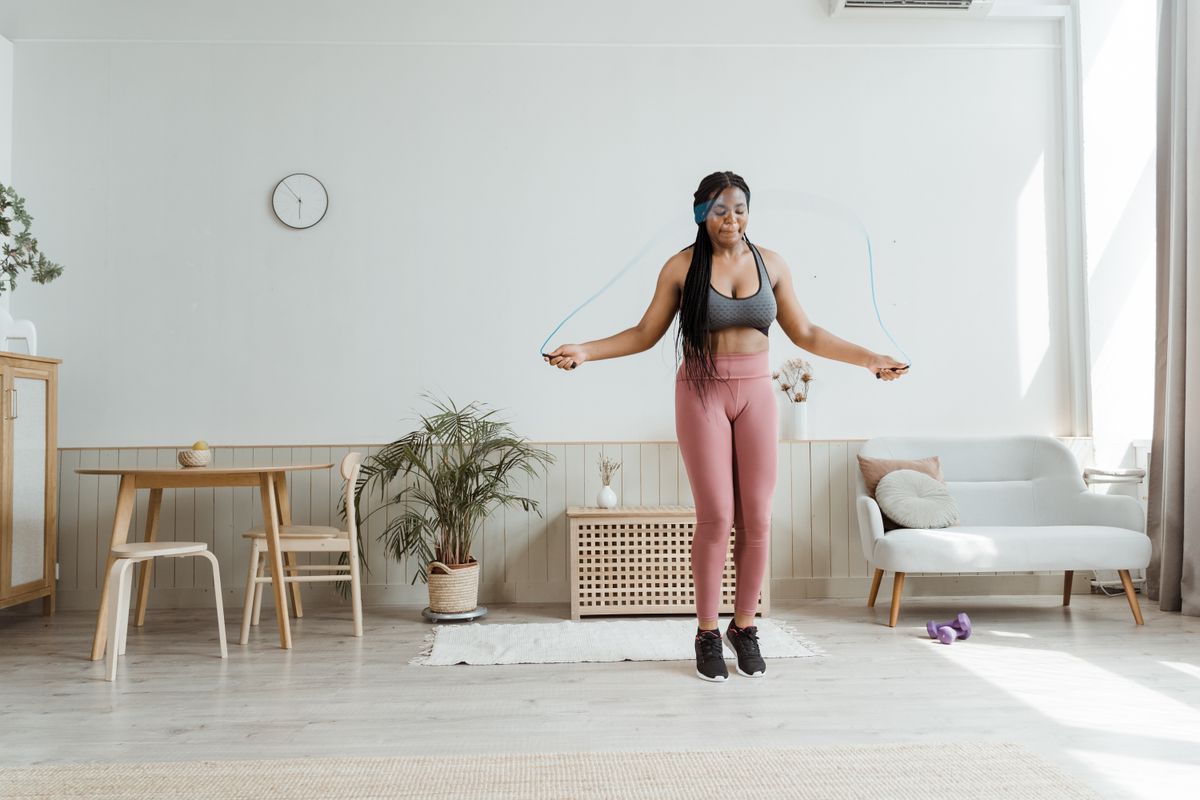
Let’s clear away the noise, look at what actually drives fat loss, and build a simple plan you can follow without burning out by week two.
Quick Answer: How Does Fat Loss at Home Actually Work?
Fat loss happens when your body uses more energy than it takes in over time, prompting it to draw on stored fat for fuel. You can support this gently by moving more throughout the day, building a little muscle with bodyweight exercise, eating mostly whole foods, and getting enough sleep. There is no single magic exercise or food — consistency across these basics is what creates lasting change.
Why Most Fat Loss Plans Fail
Here is the uncomfortable truth about extreme plans: they are designed to be impressive, not sustainable. A crash diet paired with two hours of daily cardio might produce quick numbers on the scale, but it also produces exhaustion, cravings, and resentment. Within a few weeks most people quit, often feeling worse about themselves than when they started.
The problem was never your willpower. The problem was the plan. When something is miserable, your brain naturally looks for the exit. The solution is to make the process pleasant enough that you actually want to keep going. Slower, kinder fat loss is not just nicer — it is far more likely to stick, which means it produces better results in the long run.

The Underrated Hero: Everyday Movement (NEAT)
There is a concept in exercise science called NEAT, which stands for non-exercise activity thermogenesis. In plain English, it is all the energy you burn through everyday movement that is not formal exercise — walking, taking the stairs, tidying up, fidgeting, playing with your kids, standing while you take a call. Even a few fun, no-gym movement breaks sprinkled through the day make a real difference.
For most people, NEAT burns far more calories over a day than a single workout does, yet it gets almost no attention. The wonderful thing is that you can increase it without ever stepping into a “workout.” Take a short walk after meals. Pace while you are on the phone. Put on music and dance around the kitchen while you cook. These small additions add up quietly and powerfully, and they fit the SanookFit idea that movement should be woven into a joyful, active life rather than dreaded as a chore.
Bodyweight Training: Build Muscle, Burn More at Rest
Cardio gets all the fat-loss headlines, but building a little muscle is one of the smartest long-term moves you can make. Muscle is metabolically active tissue, which means the more you have, the more energy your body uses even while you are resting. You do not need heavy weights for this — bodyweight training is remarkably effective, as research from the National Library of Medicine has shown that resistance work using your own body builds real strength and supports a healthier body composition.
Squats, push-ups, lunges, glute bridges, and planks are your bread and butter. If you want ready-made sessions to follow, our easy bodyweight workouts you can do at home for free are a great place to start. They work the big muscle groups, they scale to any level, and they need nothing but a bit of floor space. Aim for two or three short sessions a week, focusing on good form rather than grinding yourself into the ground.
A Simple Weekly Structure That Works
You do not need a complicated programme. Here is a balanced, beginner-friendly week that keeps things light and enjoyable.
- Three days of bodyweight strength: Short 20 to 30 minute sessions hitting your whole body.
- Two days of gentle cardio or fun movement: A brisk walk, a dance session, a follow-along workout, or active play.
- Daily NEAT: Aim for more steps and more incidental movement, however small.
- One or two rest days: Genuine recovery, because rest days and active recovery are part of the plan, not a failure of it.
Notice how reasonable that is. There is no two-hour daily grind, no seven-days-a-week intensity. This is a rhythm you can actually maintain for months and years, which is exactly the point.

Food: Simpler Than the Industry Wants You to Believe
You will not find extreme dieting advice here, because it does not belong in a healthy approach to fitness. Instead, think in terms of gentle, sustainable habits. Build most of your meals around whole foods: vegetables, fruit, lean proteins, whole grains, beans, and healthy fats. These foods are filling and nourishing, which naturally helps you eat in a way that supports fat loss without constant hunger.
Protein deserves a special mention because it keeps you full and helps preserve muscle while you lose fat. Try to include a source of protein at each meal. The American Heart Association offers sensible, balanced guidance on building healthy eating patterns that you can trust far more than any fad. And the CDC reinforces that gradual, steady weight loss of around one to two pounds per week is the approach most likely to last.
Importantly, no foods are forbidden. A rigid “good and bad” mindset tends to backfire. Enjoy the foods you love in reasonable amounts, build a solid base of nourishing meals, and let balance rather than restriction guide you.

The Two Habits Everyone Forgets: Sleep and Stress
You can do everything right with movement and food and still feel stuck if you are running on poor sleep and high stress. Both affect the hormones that regulate hunger and fat storage, and both quietly sabotage your best efforts. Poor sleep tends to increase cravings and reduce your willpower, while chronic stress can make your body hold on to fat more stubbornly.
Protecting your sleep is genuinely one of the most effective fat-loss strategies available, and it is free. Aim for a consistent bedtime, wind down without screens for a little while, and treat rest as seriously as you treat your workouts. Managing stress through gentle movement, time outdoors, and a few quiet minutes to yourself supports the whole process more than most people realise.
Ditch the Scale Obsession
The number on the scale bounces around daily for reasons that have nothing to do with fat — water, salt, hormones, and what you ate yesterday all play a part. Weighing yourself every morning and reacting to every wobble is a fast track to frustration.
Instead, watch the signals that actually matter. Are your clothes fitting better? Do you have more energy? Are you getting stronger in your workouts? Are you sleeping well and feeling good? These markers tell a far more honest story than a single number, and they keep your focus on health rather than perfection.
Putting Your Fat Loss at Home Plan Together
Sustainable fat loss at home is not a dramatic transformation montage. It is a series of small, repeatable choices that you barely notice day to day but that add up enormously over months. Move a little more, train a little, eat mostly whole foods, sleep well, manage stress, and be patient with yourself. That is the whole secret, and it works precisely because it is livable.
If you want structure and a bit of fun along the way, the SanookFit YouTube channel is full of short, follow-along sessions, and our ongoing 30 Day SanookFit Challenge is a great way to build the movement habit without overthinking it. You can also pair this guide with our home workouts without equipment article to plan your training week.
Frequently Asked Questions
How long will it take to see results?
Most people notice improvements in energy and how their clothes fit within four to six weeks of consistent effort. Visible changes take longer and vary from person to person. Slow and steady is the goal, since fat lost gradually is far more likely to stay off.
Do I need to do cardio every day to lose fat?
No. Daily intense cardio is unnecessary and often counterproductive. A mix of bodyweight strength, some gentle cardio, and plenty of everyday movement is more sustainable and just as effective for fat loss.
Can I lose fat without counting calories?
Many people do. Building meals around whole foods, prioritising protein, and being mindful of portions naturally supports fat loss without obsessive tracking. Counting can be a useful tool for some, but it is not a requirement.
Is bodyweight training enough, or do I need weights?
Bodyweight training is genuinely enough for building strength and supporting fat loss, especially for beginners and intermediates. As you progress, you can make exercises harder through variations and tempo, so you can keep challenging yourself for a very long time without any equipment.
What if I have a lot of fat to lose?
The same gentle principles apply, just with patience and consistency over a longer period. Start where you are, celebrate small wins, and consider speaking with a healthcare professional for personalised guidance, especially if you have any underlying health conditions.
Want fun, sustainable workouts you can do anywhere? Follow SanookFit on YouTube, Instagram, TikTok, and Facebook. Remember: consistency over perfection, always.
Related Workouts
How to Get Stronger With Bodyweight Training (No Weights Needed)
One of the most common myths in fitness is that you need a rack of dumbbells,…
How to Build a Fitness Habit That Finally Sticks
Be honest: how many times have you started a fitness plan with total enthusiasm, only to…

Rest Days and Active Recovery: The Secret Ingredient to Real Progress
Rest days and active recovery are where real fitness progress happens. Learn how smart rest, gentle…
Related Articles
How to Get Stronger With Bodyweight Training (No Weights Needed)
One of the most common myths in fitness is that you need a rack of dumbbells,…
How to Build a Fitness Habit That Finally Sticks
Be honest: how many times have you started a fitness plan with total enthusiasm, only to…
Rest Days and Active Recovery: The Secret Ingredient to Real Progress
Rest days and active recovery are where real fitness progress happens. Learn how smart rest, gentle…