Everyone starts somewhere — and yoga is one of the gentlest places to begin. So you have decided to give it a try. Perhaps you have seen it pop up on your feed, heard a friend rave about how calm it makes them feel, or simply noticed that sitting all day leaves you stiff and achy. If that sounds familiar, then you are in very good company. Better still, getting started is far simpler than those bendy social media videos make it look.
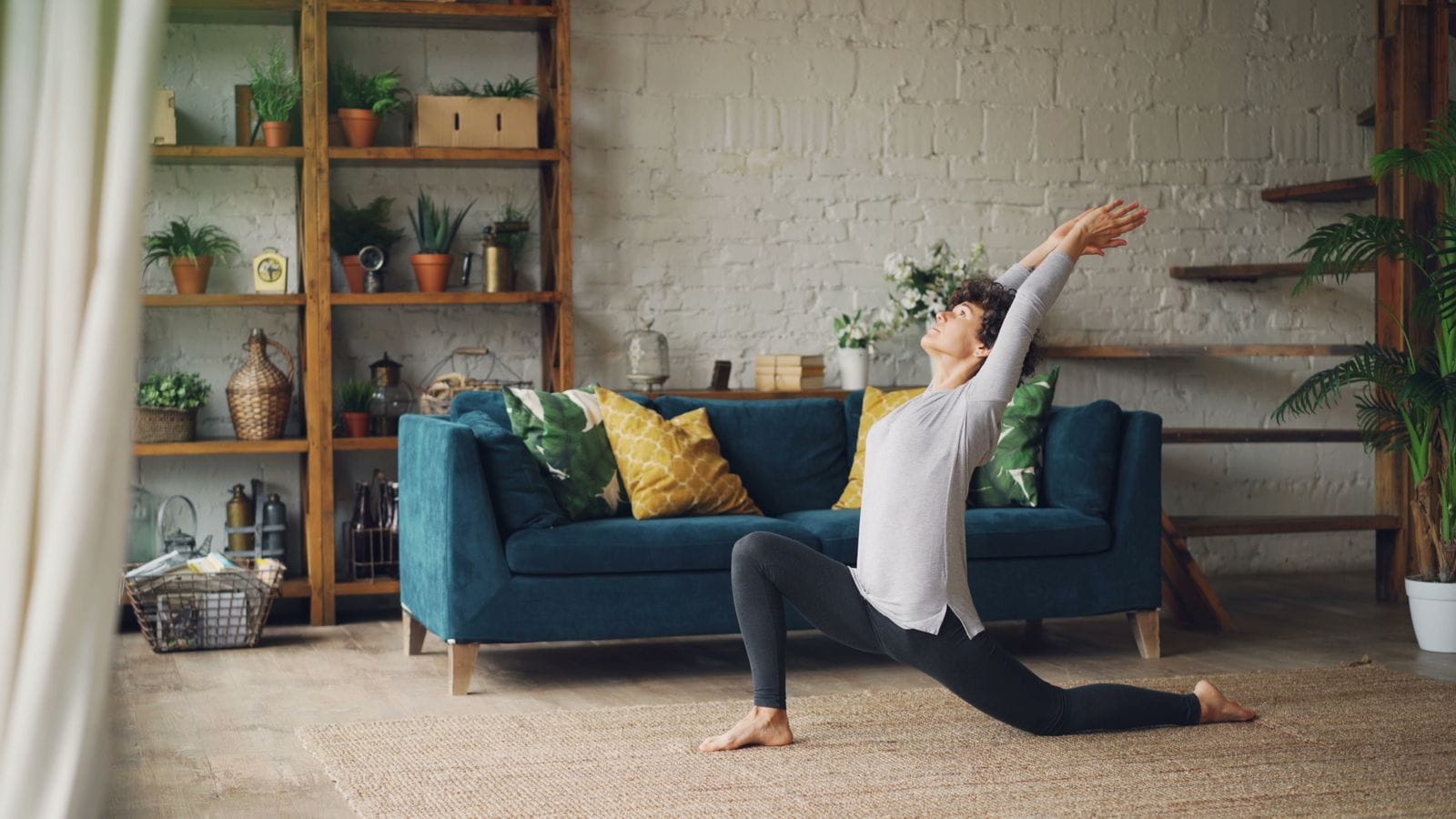
Yoga for beginners is one of the safest, most approachable ways to build flexibility, strength, and a calmer mind. Moreover, it needs no gym and no kit, and every pose scales to suit absolutely anyone. Throughout this complete Sanook Fit guide, you will discover why yoga works so well for beginners, what you need to start, a simple 15-minute routine to follow daily, and how to keep going once you begin.
Quick Answer
In short, yoga is one of the easiest and most rewarding ways to start moving your body with intention. Specifically, it improves flexibility, builds gentle strength, and calms a busy mind, all with no equipment or experience required. Furthermore, beginners get excellent results by keeping sessions short, moving with the breath, and practising consistently rather than pushing too hard.
Why Yoga Is Perfect for Beginners
First of all, there is no need to be flexible, sporty, or experienced to begin. In fact, if you have enough room to stretch your arms out, then you have enough space to start today. Because yoga meets you exactly where you are, it stays wonderfully beginner-friendly. Beyond that, a regular practice offers some real rewards:
- It improves flexibility and eases everyday stiffness.
- It builds gentle, functional strength.
- It supports better posture and balance.
- It calms the mind and can help you sleep better.
- It fits around a busy life, with no commute and no gear.
If you enjoy this gentle approach, then you may also like our home mobility routine, which pairs beautifully with a daily yoga habit.
What You Need to Start (Almost Nothing)
Happily, one of the best things about yoga is how little it asks of you. A non-slip mat helps, yet a carpet or a folded towel works perfectly well when you are starting out. Next, simply wear something comfortable that you can move and breathe in, and find a quiet spot where you will not knock anything over. Honestly, that is the whole list — no blocks, no straps, and no subscription required on day one.
Your 15-Minute Beginner Yoga Routine
Rather than learning dozens of poses at once, focus on doing a few simple ones really well. Together, these five flow into a complete, balanced routine. As you go, move with your breath and hold each pose only as long as feels comfortable.
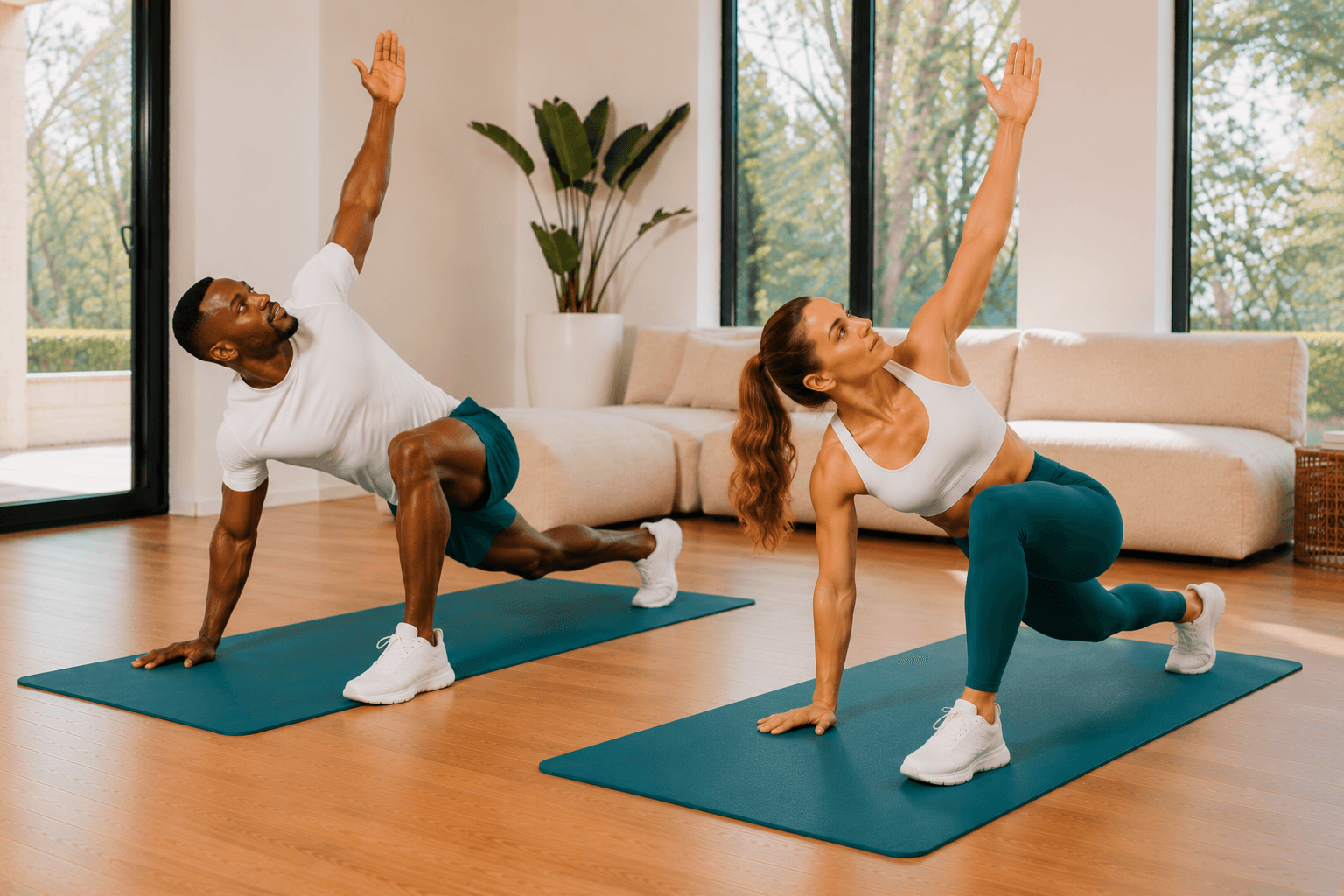
1. Easy Pose with Deep Breathing
First, settle into a calm starting point that warms the body. Sit cross-legged, rest your hands on your knees, and take slow, deep breaths for a minute or two. This is where you arrive and let the day’s noise settle before you move.
2. Cat-Cow Stretch
Next, warm up the spine with a gentle move that is almost impossible to do wrong. On your hands and knees, drop your belly and lift your gaze as you inhale, then round your spine toward the ceiling as you exhale. Simply flow back and forth with your breath to loosen a stiff back.
3. Downward Dog
Now stretch the whole back of the body with this classic pose. Press your hips up and back so your body makes an upside-down V. Meanwhile, keep a generous bend in your knees, especially at first, and pedal your feet gently if it feels nice.
4. Low Lunge
After that, open tight hips from sitting. Step one foot forward between your hands and let your back knee rest down. Then sink your hips gently and breathe. Finally, swap sides after a minute and enjoy the release.
5. Child’s Pose
Lastly, reset and recover. Kneel and fold forward, stretching your arms out in front or resting them by your sides. Stay here, breathe, and let everything soften before you stand up. For more gentle movement ideas, explore our 15-minute full body workout at home.
How to Know You Are Ready to Progress
A common beginner question is, “When should I go deeper?” Thankfully, the answer is simple. If a pose feels easy and steady, and your breath stays smooth the whole time, then you are ready to ease a little further. Here is how the progressions typically flow:
- Bent-knee Downward Dog → straighter-leg Downward Dog
- Shallow Low Lunge → deeper Low Lunge
- Short holds → longer, slower holds
- Following along → flowing from pose to pose with your breath
Above all, there is no need to rush. Progress should feel challenging, never painful. While a little tension is normal, sharp pain is always your signal to back off.
Morning or Evening? When Beginners Should Practise
Really, there is no wrong time — only the time you will actually do it. On one hand, morning yoga wakes up stiff joints and sets a calm tone for the day, which is why it is so popular with beginners. On the other hand, evening yoga helps release the day’s tension and can improve sleep. Therefore, try both for a week and keep whichever one you look forward to.
Why Rest and Patience Matter
Many beginners assume that more is always better, so they push hard for fast results. Yoga, however, rewards the opposite. Indeed, consistency beats intensity every time, and gentle daily practice will take you further than the occasional punishing session. So keep your breath flowing, never force a stretch, and let your body open up in its own time.
A Simple Beginner Plan
You do not need anything fancy to make real progress; instead, you simply need consistency. For instance, a balanced beginner week might look like this:
- 15 minutes of the routine above, most days
- A gentle walk or some light movement on the others
- One easy day to simply rest and breathe
Altogether, this gives your body steady, regular practice without ever feeling overwhelming. Once you find your feet, you can explore longer flows and new poses to keep things fresh. Ready for a little more? Our complete bodyweight training guide for beginners is a natural next step.
Frequently Asked Questions
How long should a beginner yoga session last?
For most beginners, 15 minutes is plenty. Remember, longer is not automatically better. Instead, short, regular practice done with attention beats the occasional marathon session.
Do I need to be flexible to start yoga?
Not at all. Actually, flexibility is a result of yoga, not a requirement for it. In other words, you start yoga to become flexible, rather than the other way around.
How often should beginners practise?
Ideally, a short session most days of the week works best. However, if daily feels like too much at first, then start with three or four sessions a week and build from there. If you have any health concerns, please check with a healthcare professional before you begin.
Train With Us
Finally, we share beginner-friendly routines, technique tips, and plenty of fun fitness motivation across our channels. So come and start your journey with the Sanook Fit community:
So roll out a towel, take a few deep breaths, and try the routine today. After all, starting is the hardest part — and you have already taken the first step just by reading this far.