Building home fitness habits that actually last is one of the most powerful things you can do for your health — but it’s also one of the hardest. If you’ve ever started a workout routine with the best intentions only to watch it fall apart by week three, you’re not alone. The truth is, it’s rarely about willpower. Science shows us that consistent home fitness habits are built through smart, repeatable patterns — not endless motivation. In this guide, we’ll walk through exactly how your brain builds habits, what makes exercise stick, and practical steps you can take today to finally make it happen.
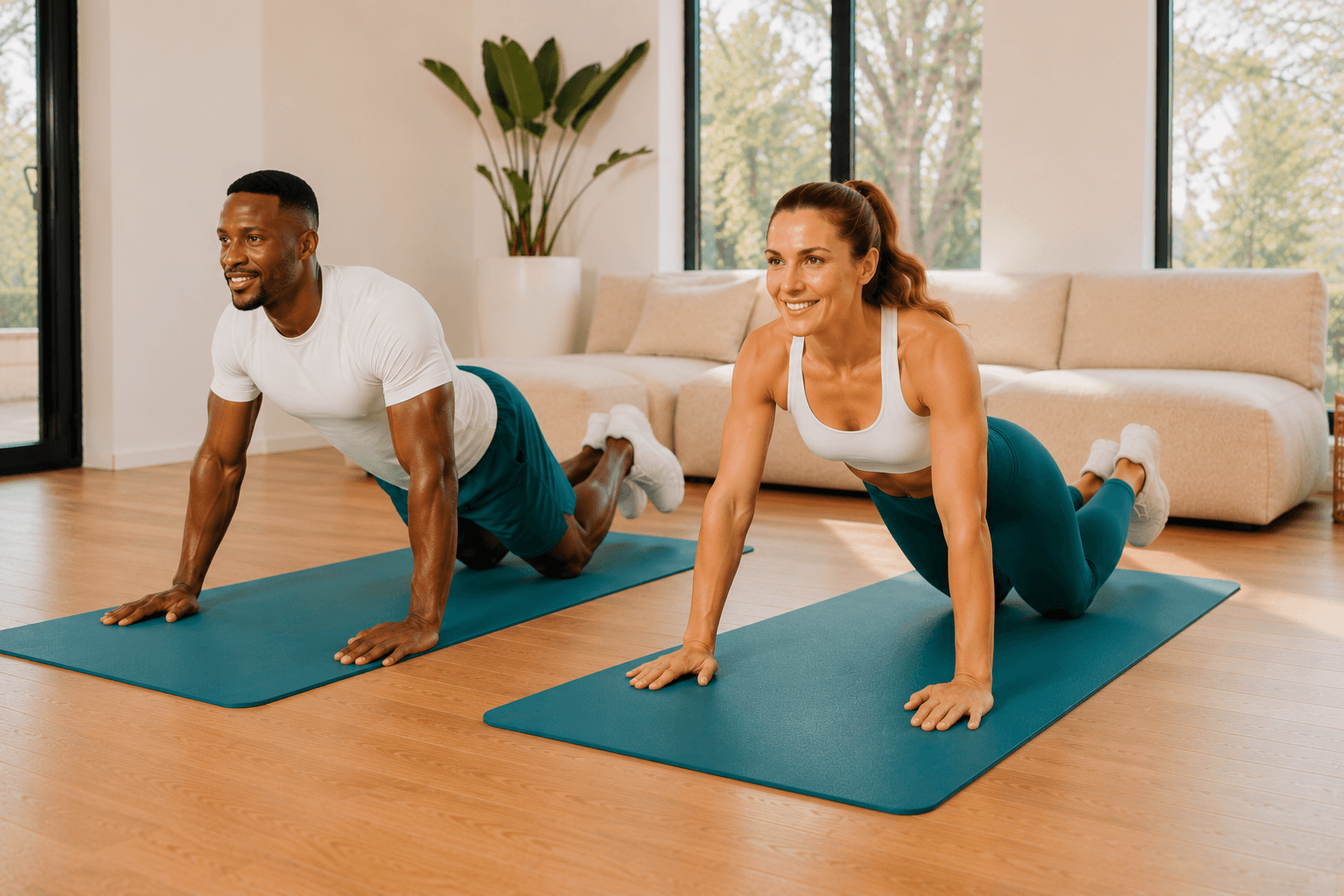
Why Your Home Fitness Habits Keep Breaking Down
Here’s something most fitness apps won’t tell you: motivation is a terrible long-term strategy. It spikes when you first sign up, then slowly fades as the novelty wears off. Research from behavioral science consistently shows that people who rely on motivation alone are far more likely to quit within the first month. The ones who stick with it? They’ve built a system, not just a goal.
Think of it like brushing your teeth. You don’t need to feel inspired to do it. It just happens because the habit is so deeply ingrained that skipping it actually feels weird. That’s exactly where you want your workouts to be — automatic, effortless, and part of your daily rhythm.
The problem most people face is that they try to build too much too fast. They jump straight to hour-long sessions five days a week instead of starting small. When life gets busy — and it always does — those ambitious plans are the first thing to go. The good news is that a different approach works much, much better.
The Role of the Habit Loop in Home Fitness
James Clear’s work in Atomic Habits describes a simple loop: cue, craving, response, reward. Every habit — good or bad — follows this pattern. When you want to build a home fitness habit, you need to engineer each step deliberately:
- Cue: A consistent trigger, like waking up, finishing lunch, or putting on your shoes after dinner.
- Craving: The desire to feel good, energized, or accomplished — remind yourself of why it matters to you.
- Response: The workout itself. Keep it short and simple at the start so it never feels like a mountain to climb.
- Reward: Something that makes you feel good right after — a smoothie, five minutes of relaxing, logging it in an app.
Once that loop clicks into place, your brain starts to associate the cue with the reward, and the habit begins to build itself. That’s when exercise shifts from feeling like a chore to feeling like something you actually want to do.
How to Build Home Fitness Habits That Actually Stick
Now for the practical side. Whether you’re completely new to working out or coming back after a long break, these strategies work regardless of your fitness level, schedule, or living situation.
1. Start Embarrassingly Small
Seriously. Five minutes a day is a great starting point. It sounds almost too easy, but that’s exactly the point. When the bar is low, you always clear it. And clearing it every single day builds the identity of someone who exercises regularly — which ultimately matters more than any single workout session.
Try starting with our 15-Minute Full Body Workout or even just 5 minutes of movement. Don’t worry about intensity yet. The goal right now is just to show up.
2. Pair Your Habit with an Existing Routine
This technique is called “habit stacking,” and it’s one of the most reliable tools in behavioral science. The idea is simple: attach your new workout habit to something you already do without thinking. For example: “After I make my morning coffee, I’ll do ten minutes of movement.” Or: “Right after I brush my teeth at night, I’ll do five minutes of stretching.”
The existing routine acts as a built-in reminder. You don’t need an alarm or a note on the fridge — your existing behavior triggers the new one automatically. Over time, the two behaviors become so linked that one naturally leads to the other.
3. Design Your Environment for Success
Environment is one of the biggest drivers of behavior that most people overlook. If your workout gear is buried in a closet, you’re adding friction to your routine. Instead, make it easy to start. Put your mat out the night before. Keep your workout clothes somewhere visible. Clear a small space in your living room that becomes your dedicated “home fitness” zone.
The opposite is also true — reduce friction for the habits you want to avoid. If you find yourself scrolling your phone instead of working out, charge it in another room. Small environmental tweaks compound into huge behavioral changes over time.
4. Focus on Consistency Over Intensity
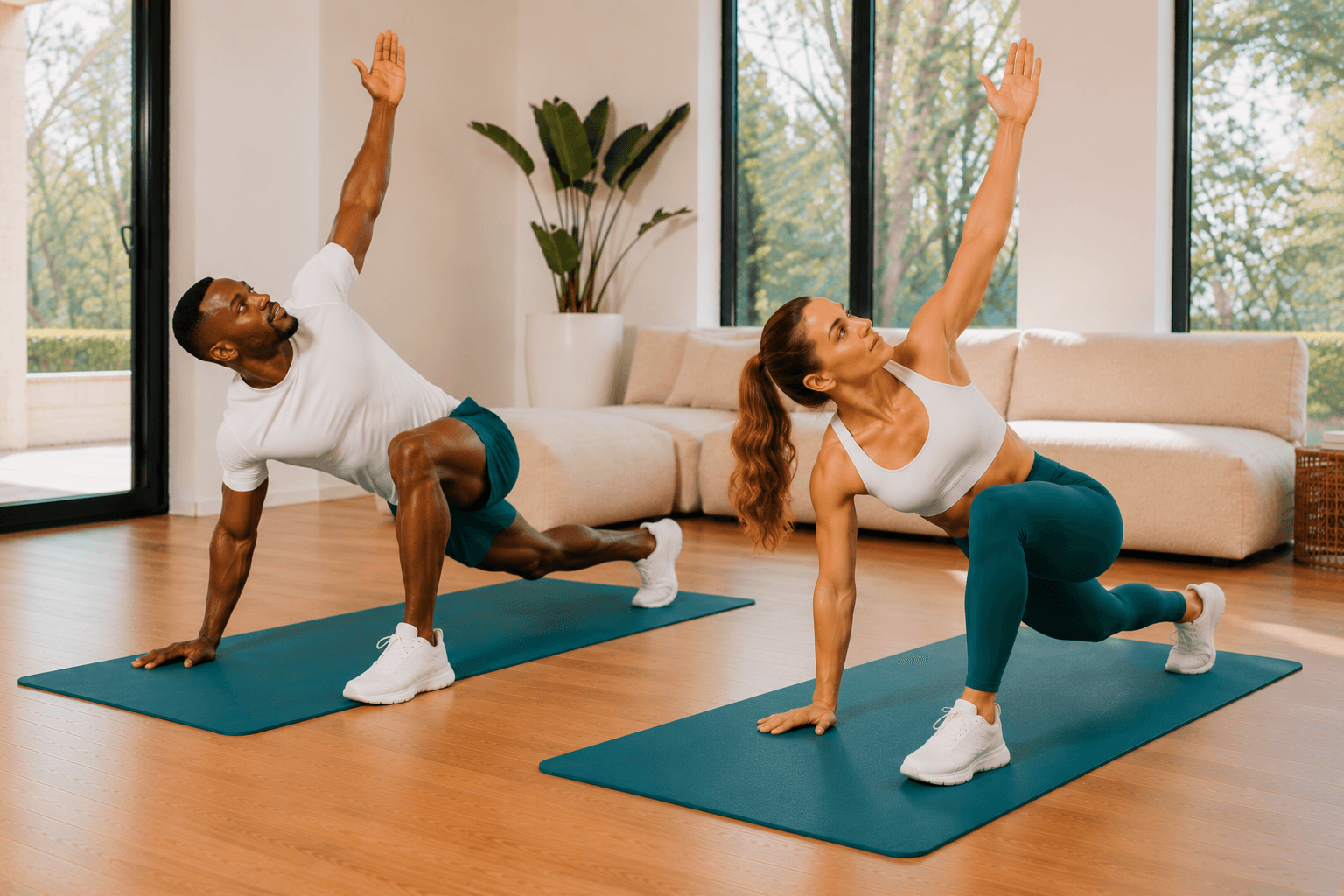
This is perhaps the most important mindset shift you can make. A 20-minute home workout done four times a week beats a grueling 90-minute session done once a week — every time. Frequency builds the neural pathway. It strengthens the habit loop. And it gives your body regular movement signals rather than the feast-or-famine cycle that leads to soreness, burnout, and quitting.
As you get more comfortable, you can naturally increase the duration and intensity. But in the beginning, just showing up is the win. Related: check out our guide on How to Stay Motivated to Exercise for additional strategies.
5. Track Your Streak — But Don’t Obsess Over It
Habit tracking works because it makes your progress visible. Seeing a chain of completed days on a calendar creates a small dopamine hit, and you naturally want to “keep the streak alive.” Apps like Habitica, Streaks, or even a simple paper calendar all work well.
That said, don’t let a missed day derail everything. The real rule is simple: never miss twice. One missed workout is a slip. Two in a row is the start of a broken habit. When life happens — and it will — just get back to it the very next day. That resilience is actually part of what makes the habit strong.
The Science of Home Fitness Habits: What Your Brain Actually Does
When you repeat a behavior consistently, your brain begins to automate it. The basal ganglia — the part of your brain responsible for habit formation — essentially takes over from the prefrontal cortex. That means exercise stops requiring active decision-making and mental effort, and starts happening more or less automatically.
Studies show it takes anywhere from 18 to 254 days to fully form a habit, with an average of around 66 days. That’s a wide range, and it depends heavily on the behavior and the person. But here’s what matters: the early weeks are always the hardest, and the process gets easier the longer you stick with it. The neurological pathways quite literally get stronger with repetition.
This is also why making your home fitness habits enjoyable matters so much. Enjoyable behaviors repeat. Punishing ones don’t. If your workout feels like misery, your brain will resist it. If it feels good — even just a little — your brain will start to crave it. Check out our post on How to Make Exercise Fun for ideas to keep things fresh.
How Sleep, Stress and Recovery Affect Your Fitness Habits
Your body doesn’t build fitness during a workout — it builds it during recovery. Sleep is when your muscles repair, your nervous system recovers, and your motivation resets. When you’re consistently under-slept or stressed, working out feels ten times harder, and habits are far more likely to break down.
Prioritizing sleep and recovery isn’t a sign of weakness — it’s a core part of your home fitness habit system. Even light movement on rest days, like gentle stretching or a short walk, helps maintain the behavioral consistency that keeps your habit loop running. For recovery tips, see our guide on Warm-Up and Cool-Down Routines.
Sample Weekly Home Fitness Habit Plan
Not sure where to start? Here’s a beginner-friendly weekly plan designed around building sustainable home fitness habits — not burning yourself out. This is just a starting point; adjust it to fit your schedule and energy levels.
| Day | Activity | Duration | Goal |
|---|---|---|---|
| Monday | Full Body Workout | 20 min | Establish rhythm |
| Tuesday | Rest or light walk | 15-20 min | Active recovery |
| Wednesday | Bodyweight Training | 25 min | Build strength |
| Thursday | Mobility or yoga | 15 min | Flexibility + recovery |
| Friday | HIIT or Cardio | 20 min | Burn energy, boost mood |
| Saturday | Active rest — dance, sport, play | Any | Keep movement joyful |
| Sunday | Rest and reflect | — | Recover, plan next week |
This plan keeps you active five days a week while protecting your recovery. The key is that it’s flexible — if Wednesday doesn’t work, shift it to Thursday. The goal is a pattern that works with your life, not against it.
What to Do When Your Home Fitness Habit Breaks Down
Life happens. Illness, travel, busy seasons at work, emotional stress — all of these can interrupt even the most established routines. The question isn’t whether you’ll slip up. It’s how quickly you get back on track when you do.
First, ditch the all-or-nothing thinking. A missed week doesn’t erase months of progress. Your body remembers. Your brain remembers. Muscle memory is real. So instead of starting over, just pick up where you left off — maybe at a slightly reduced intensity — and rebuild from there.
Second, audit what went wrong. Was the routine too hard? Too time-consuming? Scheduled at the wrong time? Use the setback as information rather than evidence of failure. Then adjust, simplify if needed, and restart. That iteration process is exactly how long-term exercisers are made.
If injuries have been keeping you from moving, our guide on How to Prevent Home Workout Injuries is worth reading. And if you’re not sure where to start again after a break, the Bodyweight Training for Beginners guide is a great reset point.
Home Fitness Habits for Different Life Stages and Schedules
One of the biggest reasons people fall off their routines is that the plan they’re following wasn’t actually built for their life. A 22-year-old with no kids and a flexible schedule has very different constraints than a parent of two working full time. That’s completely fine — but it means you need a personalized approach.
Home Fitness Habits for Busy Professionals
If your days are packed, the trick is to think in micro-sessions rather than full workouts. A 10-minute workout done at 7am, another 10 minutes at lunch, and a 5-minute stretch before bed adds up to 25 minutes of movement — more than enough to support your health. You can also check out our 15-Minute Beginner Yoga Routine for a low-effort, high-value option when energy is low.
Building Fitness Habits as a Complete Beginner
If you’re just getting started, the most important thing is to avoid the common mistake of going too hard too fast. Start with simple bodyweight movements, keep sessions short, and choose workouts that feel approachable. The Bodyweight Training for Beginners guide is the perfect starting point — everything is scalable and requires no equipment whatsoever.
Keeping Home Fitness Habits Alive Long-Term
Once you’ve built a solid foundation, the challenge shifts from starting to sustaining. Variety helps a lot here. Rotating between different workout styles — HIIT, bodyweight strength, yoga, mobility work — keeps things mentally fresh and challenges your body in new ways. Progress tracking, new goals, and community support (even online) also play a big role in keeping you engaged over months and years rather than weeks.
Frequently Asked Questions About Home Fitness Habits
How long does it take to build a home fitness habit?
Research suggests anywhere from 18 to 254 days, with the average being around 66 days. The key variable is how consistently you perform the behavior. Daily repetition speeds up habit formation significantly. Don’t be discouraged if the first few weeks feel effortful — that’s completely normal and expected.
What if I miss a day?
One missed day won’t break your habit. Two or three in a row might start to chip away at it. The golden rule is: never miss twice. If you skip a workout, make a firm commitment to get back to it the very next day — even if it’s just a short session.
Do I need equipment to build a home fitness routine?
Absolutely not. Bodyweight training is highly effective and completely equipment-free. Your own body provides all the resistance you need for building strength, burning calories, and improving your overall fitness. Check out our Fun Full-Body Workouts at Home post for ideas.
How often should I work out at home?
For most people, three to five days per week is ideal. This gives your body enough stimulus to improve while also allowing adequate recovery. Consistency matters more than frequency — three days a week done reliably is far better than seven days done occasionally.
What’s the best time of day to work out at home?
The best time is whatever time you’ll actually do it. Morning workouts work well for people who struggle with afternoon energy. Evening workouts can help decompress after a stressful day. Lunchtime sessions break up long sedentary periods. Experiment with different times and notice what feels most sustainable for you specifically.
Join the Sanook Fit Community
Building home fitness habits is always easier when you’re not doing it alone. At Sanook Fit, we’re all about making movement enjoyable, accessible, and sustainable — no gym membership, no expensive equipment, no complicated programs. Just real workouts designed for real people at home.

Follow us on social media for daily workout ideas, habit tips, and community encouragement:
- YouTube: @SanookFit — Full workout videos you can follow along with at home.
- Instagram: @sanookfit — Daily tips, motivation, and behind-the-scenes content.
- TikTok: @sanookfit — Short, fun workout clips and habit tips.
- Facebook: SanookFit — Community discussions, live sessions, and fitness challenges.
Ready to explore more? Browse our full library of no-equipment workouts on the Sanook Fit homepage and find the routine that feels right for you. Your journey to consistent home fitness habits starts with one small step — and today is a great day to take it.